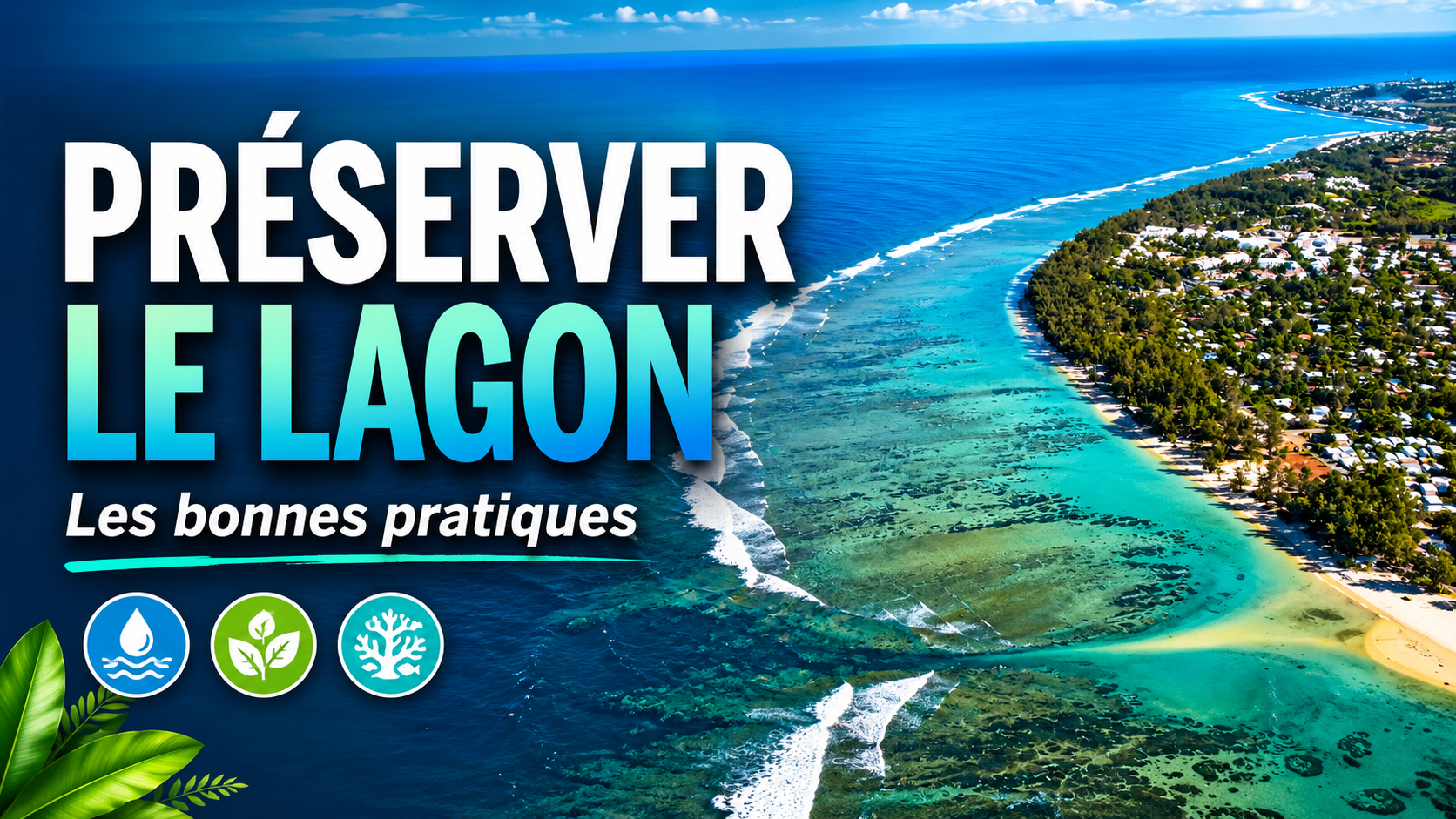
The lagoon is a fragile ecosystem of exceptional richness. Its calm, clear waters shelter unique biodiversity — colourful fish, coral reefs, sea turtles. Yet this balance is threatened by seemingly harmless actions with heavy consequences. Adopting good practices is essential to protect this natural treasure.
Do not walk on the coral
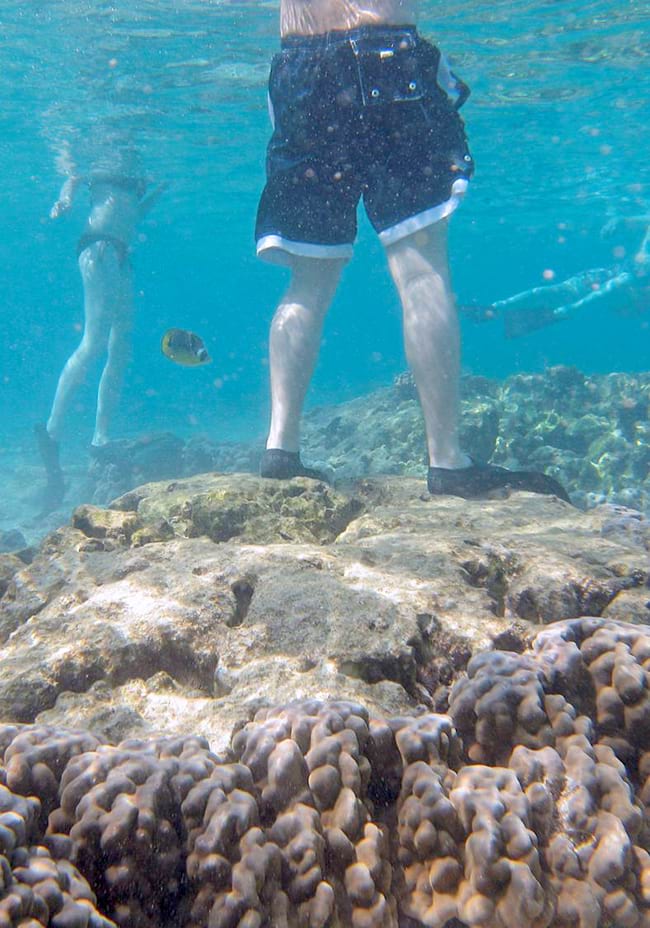
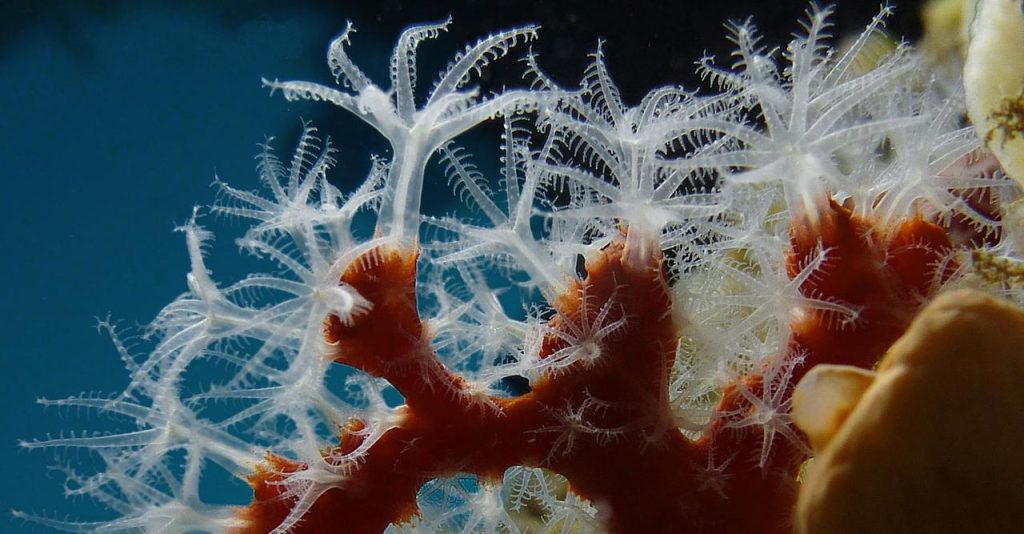
Coral is neither rock nor plant — it is living animals, built from tiny organisms called polyps. Together they form complex structures that serve as shelter and food for countless marine species.
Walking or standing on coral can break or kill it. Growth is extremely slow — just a few millimetres per year. A single step can destroy years, even decades, of development. Staying alert and avoiding all contact is how every diver and swimmer contributes to preserving this essential habitat.
Observe sea turtles without disturbing them
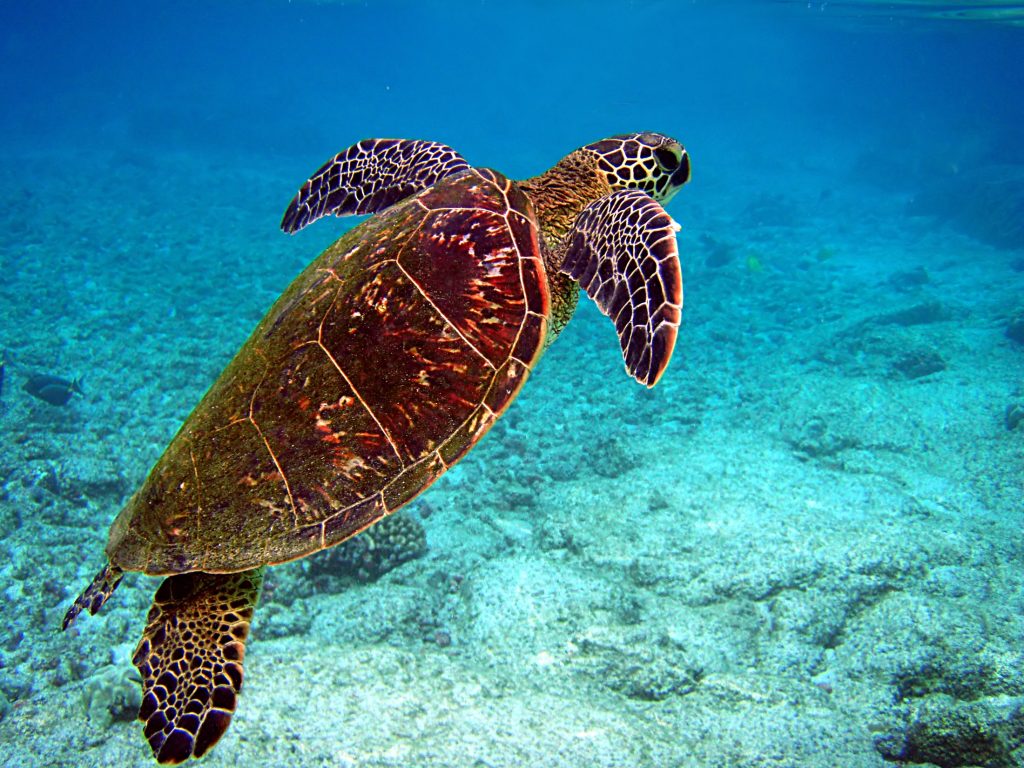
Encountering a sea turtle in the lagoon is a rare and precious moment. The temptation to approach or touch the animal is strong — but doing so can cause significant stress.
Turtles are sensitive to human presence. Chasing, encircling or touching them disrupts natural behaviour including breathing and feeding. The right approach is simple: keep your distance, stay calm, and enjoy the moment without interfering. Watching without disturbing means respecting their freedom.
Keep the lagoon and beaches clean
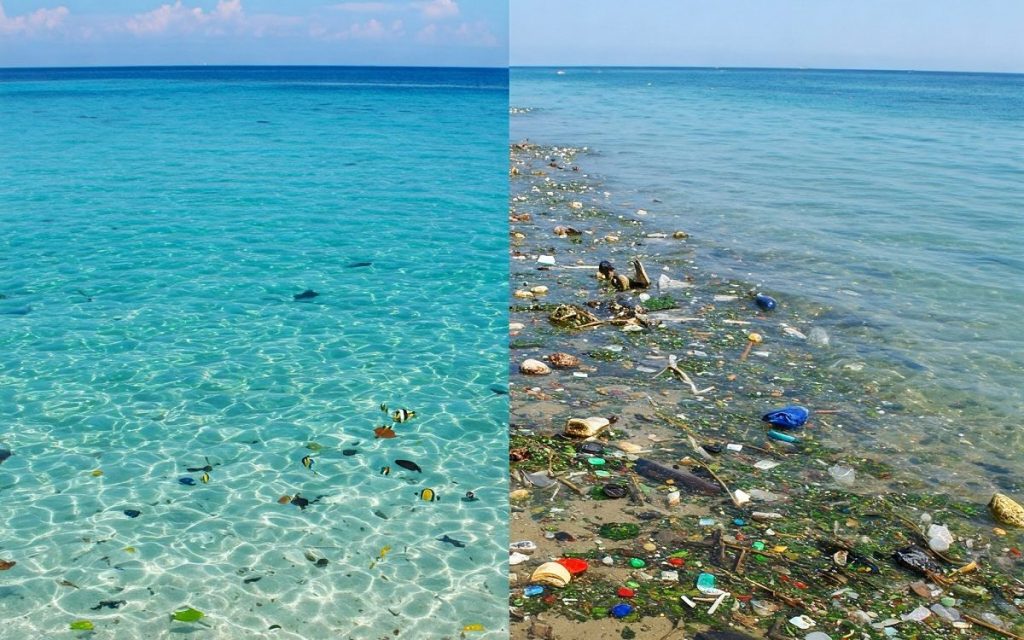
Pollution is one of the greatest threats to the lagoon. Even the smallest pieces of waste can have serious consequences: ingestion by marine animals, water degradation, habitat destruction.
Everyone has a role to play. Leave nothing behind, pick up litter where possible, avoid single-use plastics. These simple actions have a direct, positive impact. The lagoon is not just a place to relax — it is a living environment that deserves our attention and respect.
A collective responsibility
Protecting the lagoon does not rest on authorities or scientists alone. It is a shared responsibility, accessible to everyone. By adopting these practices, each person becomes an active guardian of this unique environment.
Respecting the lagoon today means allowing future generations to keep marvelling at its beauty.